Why We Believe in Women Empowerment Through Tourism
As tourism began to grow in Ha Giang, we saw how it created new ways for local people to earn a living. Men became motorbike drivers and tour guides. Families opened homestays and welcomed travellers into their homes. For many, tourism brought a more stable income and new possibilities for their families..
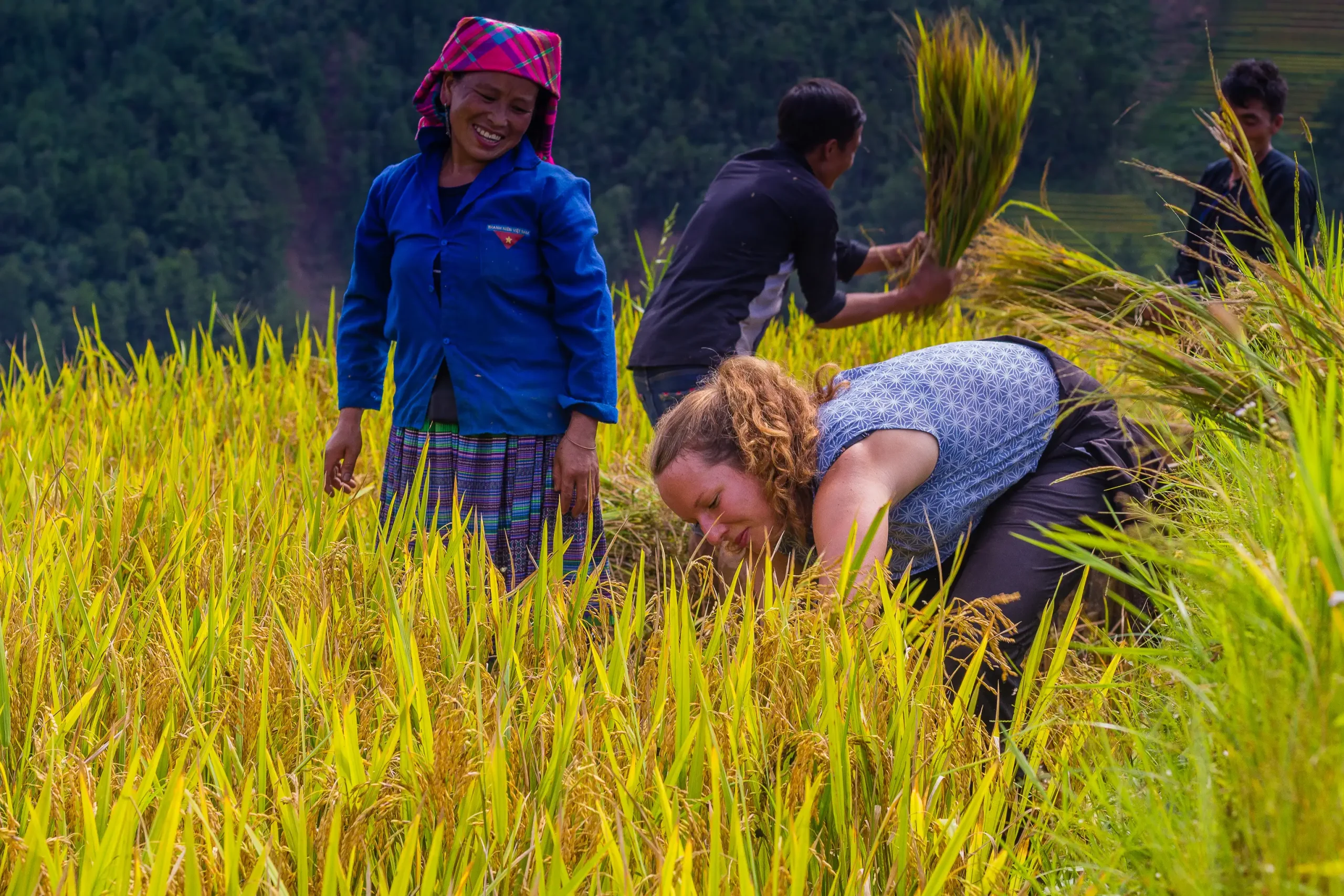
But we noticed that many local women, especially women from ethnic minority communities such as the Hmong, Dao and Lo Lo, were rarely part of these opportunities in the same way. Some found work in kitchens, cleaning rooms or washing dishes, while many others continued to spend most of their time farming, caring for children and looking after their households.
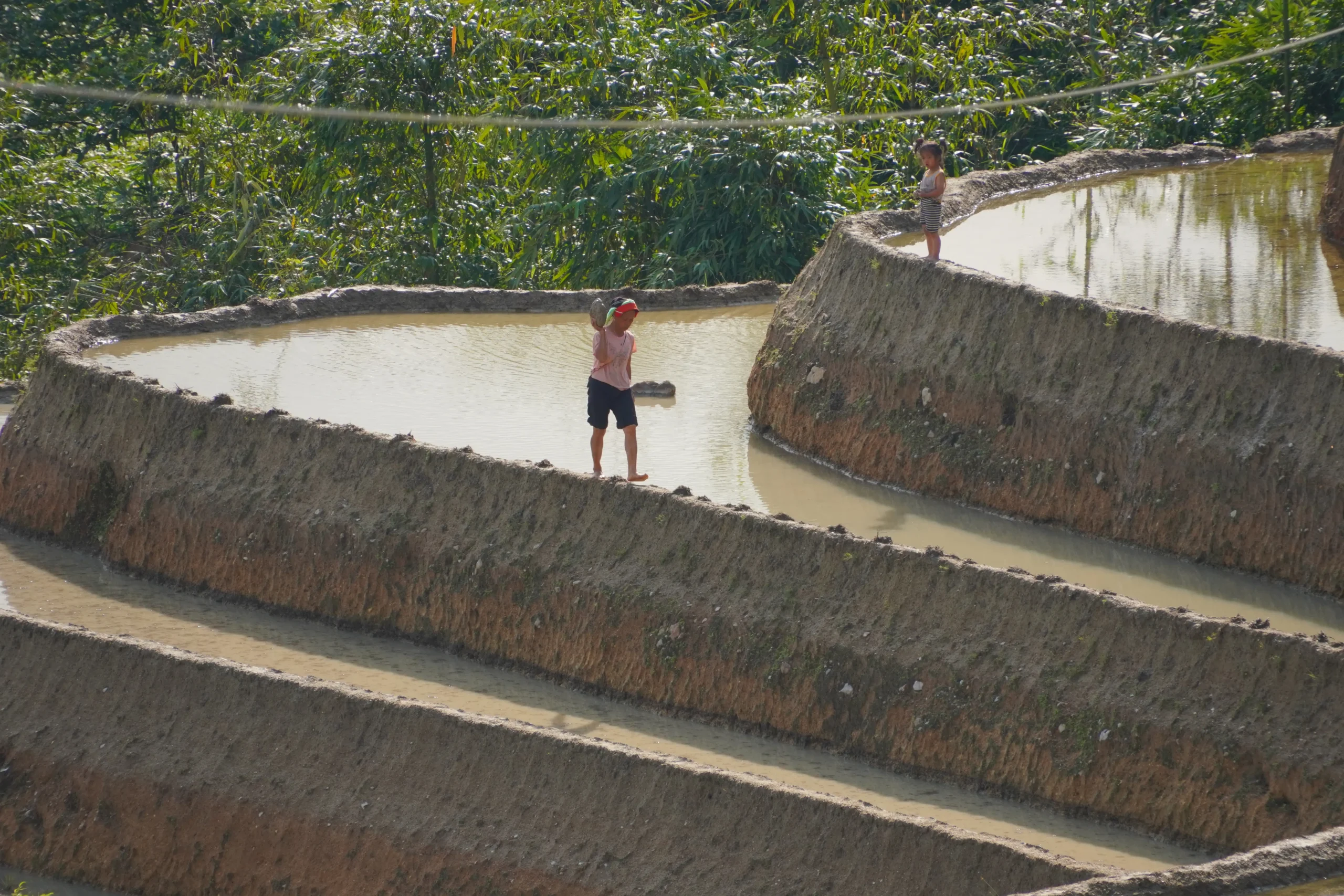
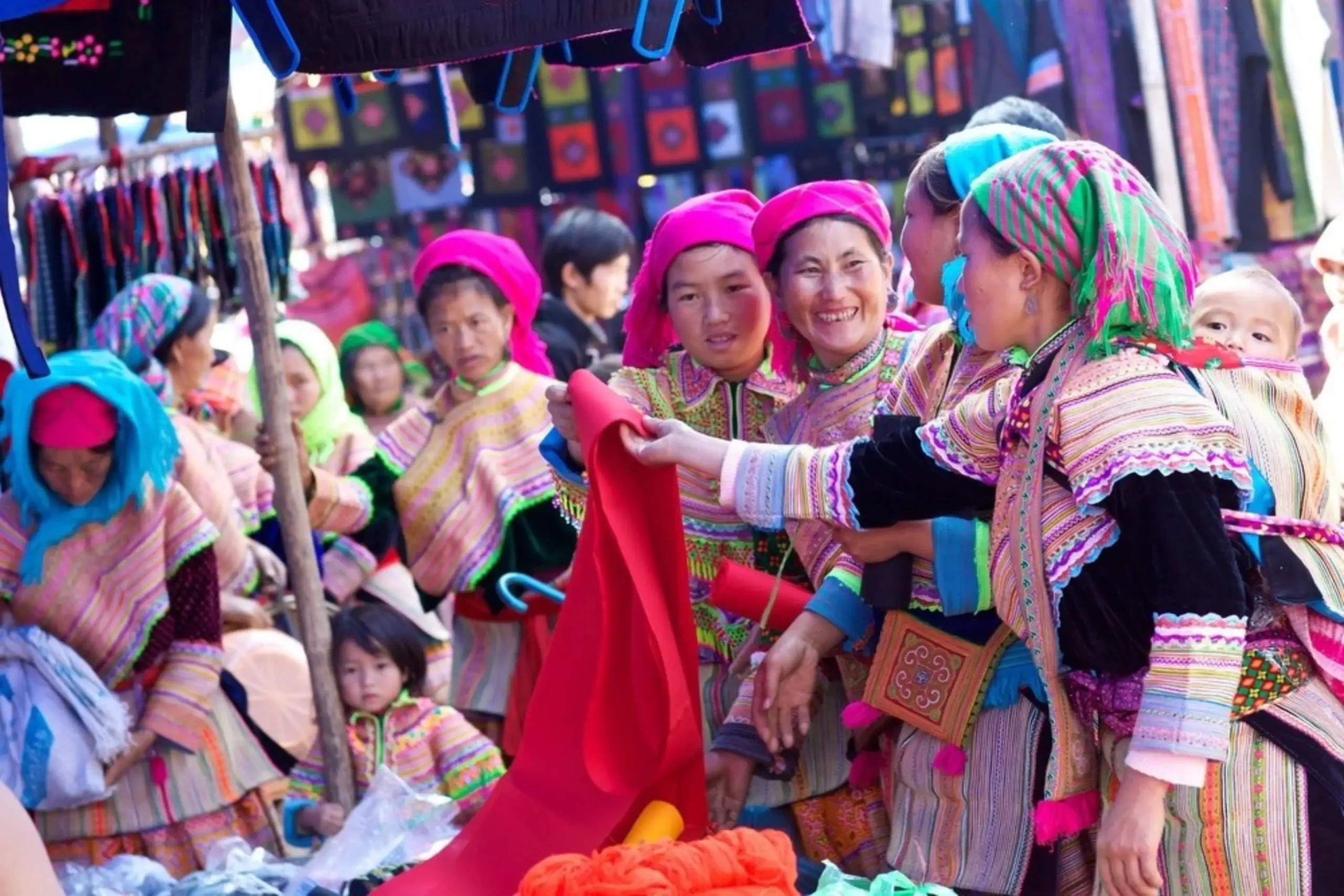
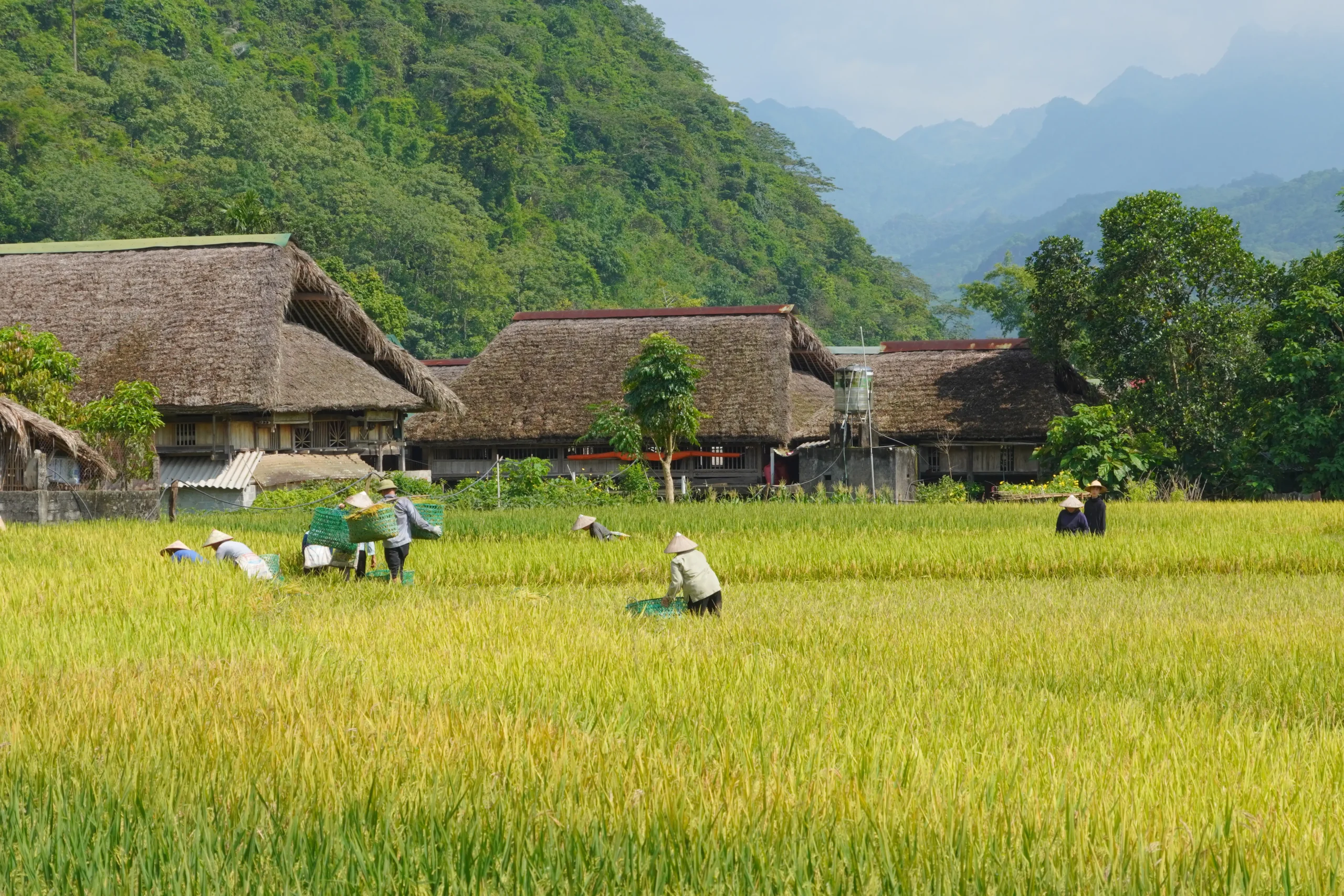
We remember the women we met, the work they did every day, and the warmth with which they welcomed us. Some carried their babies on their backs while weaving traditional fabrics. Others spent long days working on rocky hillsides before returning home to cook over wood fired stoves.
Women were already an essential part of local life and culture, yet their opportunities to work directly with travellers, share their knowledge or take on more visible roles in tourism remained limited. Language barriers were part of the reason, but so were long held expectations about what women should do and where they belonged.
We knew we could not change deeply rooted attitudes overnight. But we also believed that change had to start somewhere. If tourism could open new doors for so many people in Ha Giang, why shouldn’t local women have the chance to walk through them, too? .
For us, women empowerment through tourism begins with making those opportunities possible, one step at a time.