
The Ultimate Ha Giang Travel Guide: Landscapes, Culture & Best Seasons
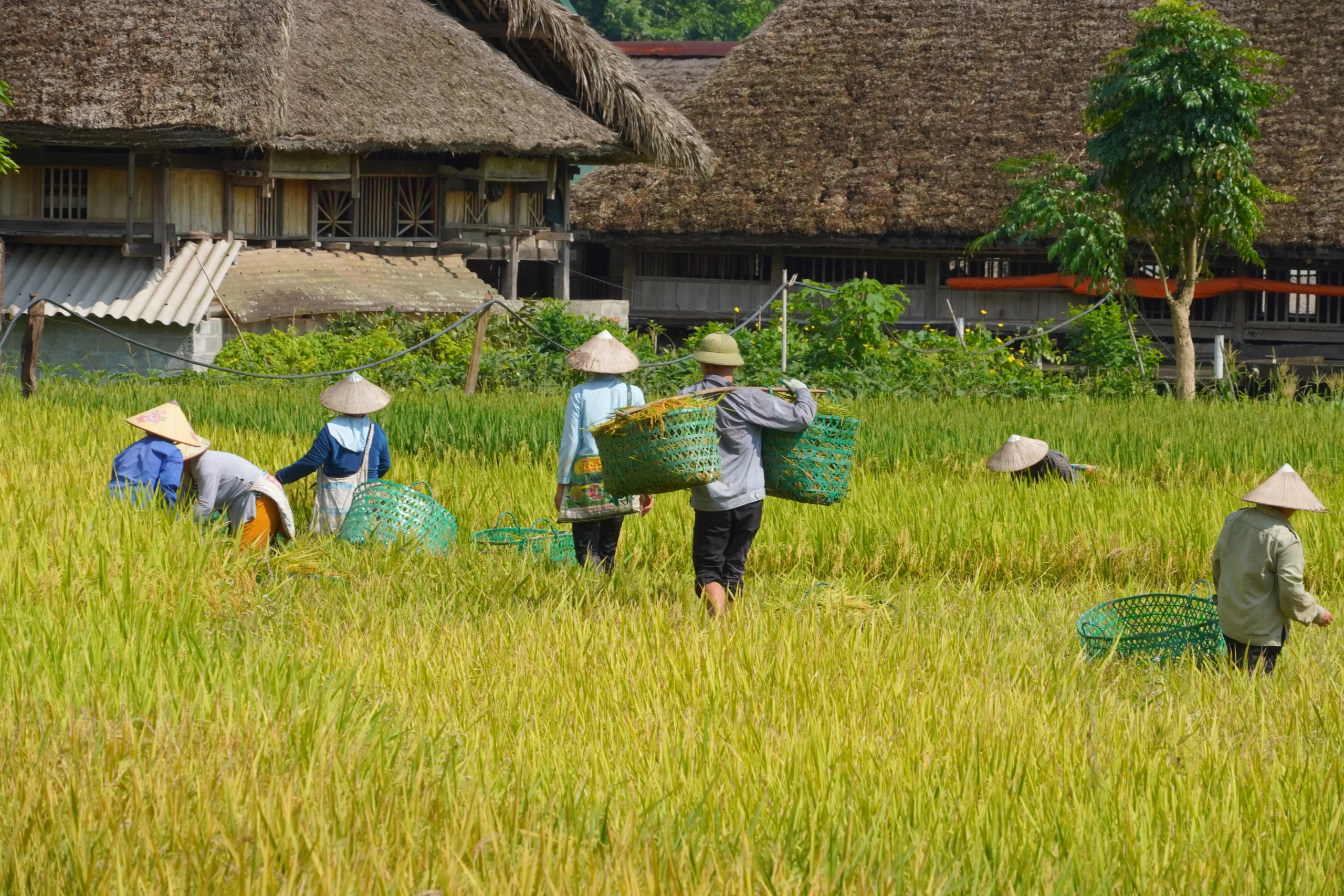
Nestled in the northernmost region of Vietnam, Ha Giang is a land of majestic mountain ranges standing between 800m and 1,200m above sea level. Bordering China, this frontier province captivates travelers not only with its winding mountain passes and deep canyons but also with the rich cultural tapestry of 19 ethnic communities.
To help you plan your journey, Ha Giang can be understood through three distinct geographical regions:
1. The Northeastern Karst Plateau: A UNESCO Wonder
Comprising Guan Ba, Yen Minh, Dong Van, and Meo Vac districts. Over 90% of this region consists of dramatic limestone karst formations, recognized as a UNESCO Global Geopark.
-
Ma Pi Leng Pass: One of Vietnam’s “Four Great Mountain Passes,” offering breathtaking panoramic views.
-
Tu San Canyon & Nho Que River: The deepest canyon in Southeast Asia, featuring emerald-green waters winding through towering cliffs.
-
H’Mong King’s Palace: An architectural gem blending H’Mong craftsmanship, Chinese aesthetics, and French accents.
-
Lung Cu Flag Tower & Dong Van Old Quarter: Historic landmarks steeped in national pride and local heritage.
2. The Western Highlands: Terraces & Cloud Hunting
Encompassing Hoang Su Phi and Xin Man districts, rising from 1,000m to well over 2,000m above sea level.
-
Hoang Su Phi Rice Terraced Fields: A National Heritage site famous for its golden, cascading terraces.
-
Mount Tay Con Linh (2,419m) & Mount Chieu Lau Thi (2,402m): Two iconic peaks favored by trekkers and cloud hunters.
3. The Southern Lowlands: Ancient Forests & Peaceful Valleys
Spanning Bac Me, Ha Giang City, Vi Xuyen, and Bac Quang. This region welcomes travelers with lush primary forests, gentle river valleys, and serene villages of the Tay and Dao ethnic groups.
Ha Giang Through the Seasons: When to Visit?
Ha Giang enjoys a cool, fresh mountain climate year-round (average temperatures range from 21°C to 23°C). Each season reveals a unique charm:
-
January – March (Spring & Festivals): Peach and plum blossoms carpet the mountainsides alongside vibrant New Year celebrations.
-
May – June (Water Pouring Season): Terraced fields transform into shimmering mirrors reflecting the sky.
-
September – October (Golden Harvest): The mountains glow with ripe golden rice terraces from Hoang Su Phi to Dong Van.
-
November – December (Buckwheat Flower Season): Delicate pink and purple blossoms bloom across the rugged karst landscape.
Living Heritage & Cultural Traditions
Ha Giang harbors a rich cultural heritage preserved by its H’Mong, Tay, Dao, Lo Lo, and Pa Then communities.
-
Khau Vai Love Market (27th of March in Lunar calendar): A legendary annual gathering for former lovers to reunite and share life stories.
-
Pa Then Fire Dancing Festival: A mystical ritual where men dance bare-foot over glowing embers under spiritual protection.
-
H’Mong Butt-Slapping Tradition: A playful Spring matchmaking custom in Meo Vac, where young men and women express affection through a traditional gesture.
-
Lo Lo New House Celebration: A warm 2-day community feast filled with traditional flutes, folk singing, and local hospitality.
Getting to Ha Giang
Located roughly 300 km from Hanoi (a 6-to-7-hour drive), travelers can comfortably reach Ha Giang center via:
-
Standard Sleeper Bus: Budget-friendly and ideal for overnight travel.
-
VIP Cabin Bus: Luxurious private berths equipped with massage seats, personal screens, and USB chargers.
-
Private Car / Chauffeur Service: The most flexible and comfortable choice for families or small groups seeking privacy (HerGo Travel offers premium private transfers tailored to your itinerary).